Category: Mankunawabu

  • Latest UFO Sightings in Brazil 2025 [Updated Reports, Videos, Military Response]

    Latest UFO Sightings in Brazil 2025 [Updated Reports, Videos, Military Response]

    Brazil stands out as a global hotspot for UFO activity, with both mystery and curiosity swirling around its skies. In 2025, reports of strange lights and unexplained craft have surged, drawing attention from people worldwide. Soldiers and pilots have stepped forward alongside everyday Brazilians, each sharing their part of this growing wave.

    These stories fuel debate, but they also reveal how Brazil’s UFO events unite experts and the public in a search for answers. As more reports surface, the world’s focus sharpens on Brazil—keeping everyone watching, waiting, and asking what might happen next.

    Watch recent footage of Brazil’s UFO sightings on YouTube.

    Unprecedented Surge: UFO Sightings Across Brazil in 2025

    Brazil’s UFO reports have exploded in 2025, capturing massive attention in both cities and quiet countryside towns. Fresh clusters of sightings are popping up―sometimes within days of each other, judged by photos and shaky phone videos lighting up social media. People from all walks of life are watching their skies, and for many, sharing what they see feels less like a hobby and more like a cause. Several key areas have become focal points, driving new waves of investigation and speculation.

    Major Hotspots and Ongoing Trends

    A glowing UFO with bright lights flying in a dark, mysterious sky. Photo by Derpy CG

    In 2025, Brazil’s largest cities and sprawling rural landscapes alike are buzzing with unusual aerial activity.

    Key hotspots include:

    • Rio de Janeiro: High-rise apartment dwellers and beachgoers often report strange lights darting over the bay or buzzing hillside favelas.
    • Federal District (Brasília): The nation’s capital has logged a sharp spike in late night UFO reports, with government staff and aviators chiming in.
    • Northern and Midwest Regions: More rural zones, especially near the Amazon basin, have seen clusters of sightings—often in isolated villages or farm communities.

    What sets this year apart is how concentrated these sightings are. Reports tend to cluster after viral social media posts, turning isolated events into rolling waves of speculation and group investigations. Areas around Brasília, for instance, have seen weekly spikes coinciding with local news coverage or trending hashtags.

    Regional differences play a big part:

    • Urban areas usually report lights and sudden movements over city skylines.
    • Rural witnesses describe low-flying crafts or shimmering orbs over forests and lakes.

    Social media is amplifying patterns like never before. A video snapped in São Paulo can be shared coast to coast in minutes, inviting spotters to compare notes and validate each other’s experiences. For a look at past locations and sightings, see the full list of UFO sightings in Brazil.

    Notable Recent Cases and Eyewitness Testimonies

    This year’s surge includes some cases that break the mold, offering both mystery and mounting documentation.

    Some of the most talked-about 2025 cases feature:

    • Luminous spheres hovering over Brasília: Eyewitnesses in multiple districts captured similar glowing objects zipping at impossible speeds.
    • Hypersonic maneuvers over Rio de Janeiro: Several pilots and local air traffic controllers have reported objects shifting direction at angles far beyond what current aircraft can handle.
    • Multiple photographic and video clips: High-quality night footage from mobile phones and dashboard cams have made rounds online, sparking widespread debate about their authenticity.

    Eyewitnesses are stepping forward with fresh urgency in 2025, eager to share credible details. A well-known commercial airline pilot described, “A silvery, dart-shaped object shot across the cockpit. It made a right turn fast—faster than any plane in the fleet. I’ve flown for 25 years. Nothing comes close to that speed.”

    Local residents are just as vocal. Near Brasília’s outer neighborhoods, a group of nighttime joggers filmed, “Three balls of light swirling over the park. They vanished silently. We all stared, waiting for a sound—there was nothing.”

    For those interested in seeing recent discussions and fact-checking, videos like this UFO craft found in Brazil in 2025? break down the visual evidence and push for more official answers.

    Expert interviews and analyses also highlight the sheer pace and frequency of these new cases. Every day on social media, new photos and sightings go viral, letting both skeptics and true believers weigh in. The debate is unfolding in real time, and each fresh sighting pulls even more eyes to Brazil’s skies.

    Military Involvement and Government Response

    Brazil has a long and storied relationship with UFO sightings, marked by formal military efforts, changed policies, and public calls for more information. The government’s response in 2025 builds on a history of structured investigations and new transparency, taking both skeptics and believers seriously. Let’s look at how military agencies and document releases are shaping our understanding of the latest sightings.

    The Role of SIOANI and Military Documentation

    A group of men in formal military and business attire holding a 'Top Secret' briefcase indoors.
    Photo by Caleb Oquendo

    Brazil’s formal approach to UFO sightings goes back to 1969 with the creation of SIOANI (the System for the Investigation of Unidentified Aerial Objects). SIOANI was designed to centralize and investigate UFO reports from military, civilian, and aviation sources. Its founding marked Brazil as one of the few countries to treat these cases with the same seriousness as air traffic threats.

    SIOANI’s main functions included:

    • Collecting and archiving military and civilian UFO sightings.
    • Dispatching teams to verify, measure, and document cases on-site.
    • Coordinating with aviation, police, and radar analysts when sightings involved physical or radar evidence.

    Although SIOANI was dissolved in the 1970s, its legacy shaped Brazil’s modern military UFO protocols. Events like the Varginha UFO case and Operation Saucer proved that the military continues to play a key role in investigating unexplained aerial events, often sending aircraft or teams to intercept or observe high-profile sightings. To read more about these historic military efforts, see an in-depth report on the Varginha UFO incident and the 70-year military investigation of aliens in Brazil.

    Recently, military involvement includes:

    • Tasking air traffic controllers and pilots with logging unusual encounters.
    • Issuing public statements to address national concern, especially after clusters of credible reports.
    • Coordinating with scientific investigators to rule out weather, drones, or foreign aircraft.

    These actions show a real shift toward transparency and open inquiry, building public trust while adding rigor to the investigation process.

    Public Access to Declassified Reports

    Brazil’s move to open once-classified military and government UFO files changed the conversation for thousands of citizens, researchers, and journalists. Declassification now gives anyone the chance to review detailed case files, interviews, sketches, and official statements. For example, the Brazilian National Archives recently released a wave of documents, making Brazil a global leader in UFO transparency.

    The main effects of these open archives:

    • Empowering amateur investigators with first-hand data—no need to rely on rumors or leaks.
    • Letting people track patterns and check official responses to major events in real time.
    • Sparking wider media coverage and stronger public debate about government policy and the nature of the sightings.

    High-profile cases, like the “Official UFO Night” in 1986—when military jets chased dozens of unexplained lights—are now available through Brazil’s (Official UFO Night in Brazil report). These public files include pilot accounts, radar logs, and communication transcripts, making it hard to dismiss the events as simple mistakes.

    Brazil’s push for transparency matches calls around the world for governments to open their UFO archives. With this new openness, anyone interested in the truth behind the latest wave of sightings has the tools they need to dig, question, and decide for themselves. For comparison with how other countries handle these files, see how UFO documents are classified in the U.S. compared to Brazil.

    Brazil’s model shows that government and military action can shape the national conversation—inviting people to move beyond speculation and contribute directly to the search for answers.

    Evidence Beyond Sightings: Videos, Photographs, and Physical Traces

    The story of UFO sightings in Brazil doesn’t stop at what witnesses claim to see. Hard evidence comes in many shapes—glowing images, strange metal, radar echoes, and digital footprints that spark fierce debate. As technology spreads across the country, the proof people collect keeps changing and growing, drawing fresh lines between what’s “just a story” and what demands attention.

    Physical Evidence: From Metal Fragments to Radar Data

    Brazil’s long UFO history features more than just rumors. Physical clues have been recovered and sent for expert review, making these cases stand out from ordinary tales.

    Several well-known cases involved actual material evidence:

    • Metal fragments: In a few events, the military reported finding odd metallic debris at landing sites. These pieces have triggered laboratory testing by official agencies, checking for strange alloys or unlikely manufacturing origins.
    • Radar recordings: During incidents like the 1986 “Official UFO Night in Brazil,” radar operators locked onto fast-moving targets that showed up in the sky but left no sign of conventional aircraft. The Brazilian Air Force released logs proving objects traveled at high speed, with unpredictable changes in direction—behavior that modern airplanes can’t match. The Official UFO Night in Brazil is still one of the world’s most well-documented radar-visual encounters.

    Scientists and skeptics weigh in every time such evidence surfaces. Metal samples have been checked for manmade elements, cross-checked with aerospace standards, and debated for possible Earthly explanations—but some test results stay strange or inconclusive. Despite these checks, experts keep questioning the chain of custody, possible hoaxes, and whether unusual readings could have simple origins.

    Incidents like the Varginha UFO case are popular because they combine witness stories with search-and-recovery missions. In 1996, locals described a crash and strange beings. Military and scientists studied the scene, recovering physical traces that remain a focus of investigation years later.

    Viral Videos and Citizen Science

    The evidence isn’t just handled by scientists and officials anymore. With everyone carrying a smartphone, citizens are now the frontline recorders and investigators. The last decade brought an explosion of social media clips, dashcam footage, and crowd-sourced digital proof.

    Today’s typical UFO event in Brazil plays out like this:

    1. People spot unusual lights or shapes.
    2. They pull out a phone, snap photos, or record video.
    3. Someone uploads it—often within minutes—to platforms like YouTube, Twitter, or WhatsApp.
    4. Thousands or even millions see it, replay it, and add their own analysis.

    Videos like this Brazilian UFO Baffles Scientists have become windows into the debate. Ordinary people catch things that satellites or officials might miss, and fast uploading means evidence gets reviewed before it can be hidden or edited. On the other hand, digital sharing fuels as much skepticism as belief:

    • Analysts debate pixel glitches, camera effects, and staged hoaxes.
    • Fact-checkers match UFO videos to airline flight data, satellite paths, and drone traffic, exposing clever fakes.

    Thanks to the rise of citizen science, some sightings reach a level of detail and scrutiny that rivals official investigations. Crowd-sourced groups now track events in real time, compare reports, and use mapping or video analysis tools to weed out false alarms.

    The flood of digital evidence has changed the discussion. Reliable videos and photographs demand careful review, while physical samples and radar logs from official sources keep the hunt for truth grounded in facts. Ongoing technological change means Brazil will keep generating both raw mystery and hard data—sometimes in the same viral minute.

    Cultural Impact and Brazil’s Unique Openness to UFO Phenomena

    Brazil stands apart when it comes to UFO stories and how people react to them. Social acceptance and national pride surround the subject, and reports from all walks of life get a fair hearing. This openness isn’t accidental—deep spiritual ideas, a lively popular culture, and vibrant media coverage play big roles in shaping how people see the unexplained in Brazilian skies.

    Spiritualist Influences and National Identity

    Spiritual beliefs shape the way Brazilians talk about UFOs. Brazil is home to a strong tradition of spiritualism, blending ideas from Spiritism, Afro-Brazilian religions, and Catholic devotion. These worldviews often accept that there are unknown forces and visitors beyond what we can see.

    Many communities frame UFOs within ideas of life after death, cosmic intelligence, or ancestors watching over people. In the largest Spiritist centers, group discussions on UFOs blend with regular lessons about spirits and other worlds. Events in places like Brasília or the interior often feature spontaneous gatherings where locals swap personal stories, share sightings, or wonder aloud if “extraterrestrial visitors” are spiritually guided. It isn’t uncommon to see:

    • Neighborhood meetings led by Spiritist leaders, bringing in both skeptics and believers.
    • Local radio shows inviting listeners to call in with UFO tales, connecting them to bigger questions about faith and the unknown.
    • Festivals and fairs where speakers discuss UFOs as part of humanity’s search for higher truths.

    These open conversations build a unique sense of national identity. Brazilians have turned the UFO experience into a kind of social glue, using it to bridge gaps between spiritualism, science, and pop culture. Coverage in outlets like El País highlights how this blend helps the wider public accept and discuss new sightings without fear of ridicule.

    Mainstream and Alternative Media Coverage

    Media in Brazil—both traditional and digital—drives how UFO stories grow, shift, and spread. Mainstream news channels report verified sightings, press briefings, or high-profile interviews with officials. These stories can quickly shape public debate, especially when military or scientific voices weigh in.

    Social media, on the other hand, builds momentum around every new photo or video shared online. Influencers on YouTube, Instagram, and TikTok break down recent events, post analyses, and review eyewitness clips. Citizen journalists and local experts provide real-time updates, while forums and hashtags help new witnesses speak up.

    Here’s how the information flow works:

    • Major newspapers, such as those cited by the BBC, run front-page headlines after significant incidents or wave clusters.
    • Viral WhatsApp groups and local Facebook pages allow rural communities to share their sightings with the wider country.
    • Influencers, with tens of thousands of followers, post rapid-response videos offering opinions, explanations, or counterarguments—all of which boost the visibility of each new event.

    Alternative news sites and independent podcasts also have growing sway. They carry stories that traditional outlets might ignore, sometimes calling for more transparency or government accountability. For an overview of classic and ongoing cases, the Wikipedia page on UFO sightings in Brazil chronicles both official and grassroots reports.

    Together, all these voices—media giants, citizen reporters, and online influencers—shape not just what people know, but how they feel. Debate stays lively, and the walls between expert and eyewitness, popular and fringe, get blurred. This openness keeps Brazil at the forefront of UFO conversation, letting every voice be heard in the search for clarity.

    Conclusion

    Brazil’s role as a global hub for UFO investigations has only grown in 2025, driven by both official attention and nonstop public reporting. The country’s openness—seen in the release of military files and regular media coverage—has helped move the dialog from whispers and rumors to public records that anyone can check for themselves. This transparency sets a new standard, giving the world real material to discuss and analyze.

    The sheer number and quality of reports, from city centers to distant rural areas, keep Brazil in the spotlight, making it hard to look away or dismiss what’s unfolding. Each new sighting adds to a growing body of hard evidence and fuels smart debate among experts and everyday people alike.

    Readers should keep tracking these events, share credible reports, and press for more open investigations. Stay engaged, ask questions, and watch how this story shapes science and society in the years ahead. Thank you for following this ongoing mystery—share your thoughts or recent findings and help build a clearer picture for everyone watching the skies.

  • Firsthand Stories of Growing Up with Mankunawabu Traditions [Interviews]

    Firsthand Stories of Growing Up with Mankunawabu Traditions [Interviews]

    For those who grew up with mankunawabu traditions, stories take on a special glow—half-whispered memories tinged with mystery, awe, and a sense of belonging that can’t be taught from books. These accounts reveal not just rituals and beliefs, but the living pulse of a culture at risk of fading.

    For those who grew up with mankunawabu traditions, stories take on a special glow—half-whispered memories tinged with mystery, awe, and a sense of belonging that can’t be taught from books. These accounts reveal not just rituals and beliefs, but the living pulse of a culture at risk of fading. Mankunawabu Traditions echo through time, reminding us of our roots.

    Firsthand stories, told by the people who lived them, give us more than surface details. They keep endangered customs alive and help outsiders understand what’s truly at stake when a tradition vanishes. Listening to personal memories of mankunawabu traditions is one of the best ways to honor and protect these rare cultural threads, sharing their richness with the world before they’re lost.

    Firsthand stories, told by the people who lived them, give us more than surface details. They keep endangered customs alive and help outsiders understand what’s truly at stake when a tradition vanishes. Listening to personal memories of mankunawabu life is one of the best ways to honor and protect these rare cultural threads, sharing their richness with the world before they’re lost.

    Growing up surrounded by mankunawabu traditions means living in a world built on stories told across generations. In Amazonian villages, myths are not just entertainment—they are the DNA of identity. Interviews with elders show how these beliefs stem from oral tradition, which still holds the collective memory of the people, even as outside influence grows. Mankunawabu Traditions are not just stories; they shape how daily life, spirituality, and health are understood within the community.

    Mankunawabu Traditions: Roots and Beliefs

    Growing up surrounded by mankunawabu traditions means living in a world built on stories told across generations. In Amazonian villages, myths are not just entertainment—they are the DNA of identity. Interviews with elders show how these beliefs stem from oral tradition, which still holds the collective memory of the people, even as outside influence grows. These are not just stories; they shape how daily life, spirituality, and health are understood within the community.

    Stories about the mankunawabu traditions start with the underground. Many describe these beings as “the ones from below,” mysterious entities neither fully human nor animal. Their shape and purpose change from village to village, but a few patterns always appear:

    Mankunawabu: Embracing the Essence of Cultural Harmony and Spiritual Enlightenment.

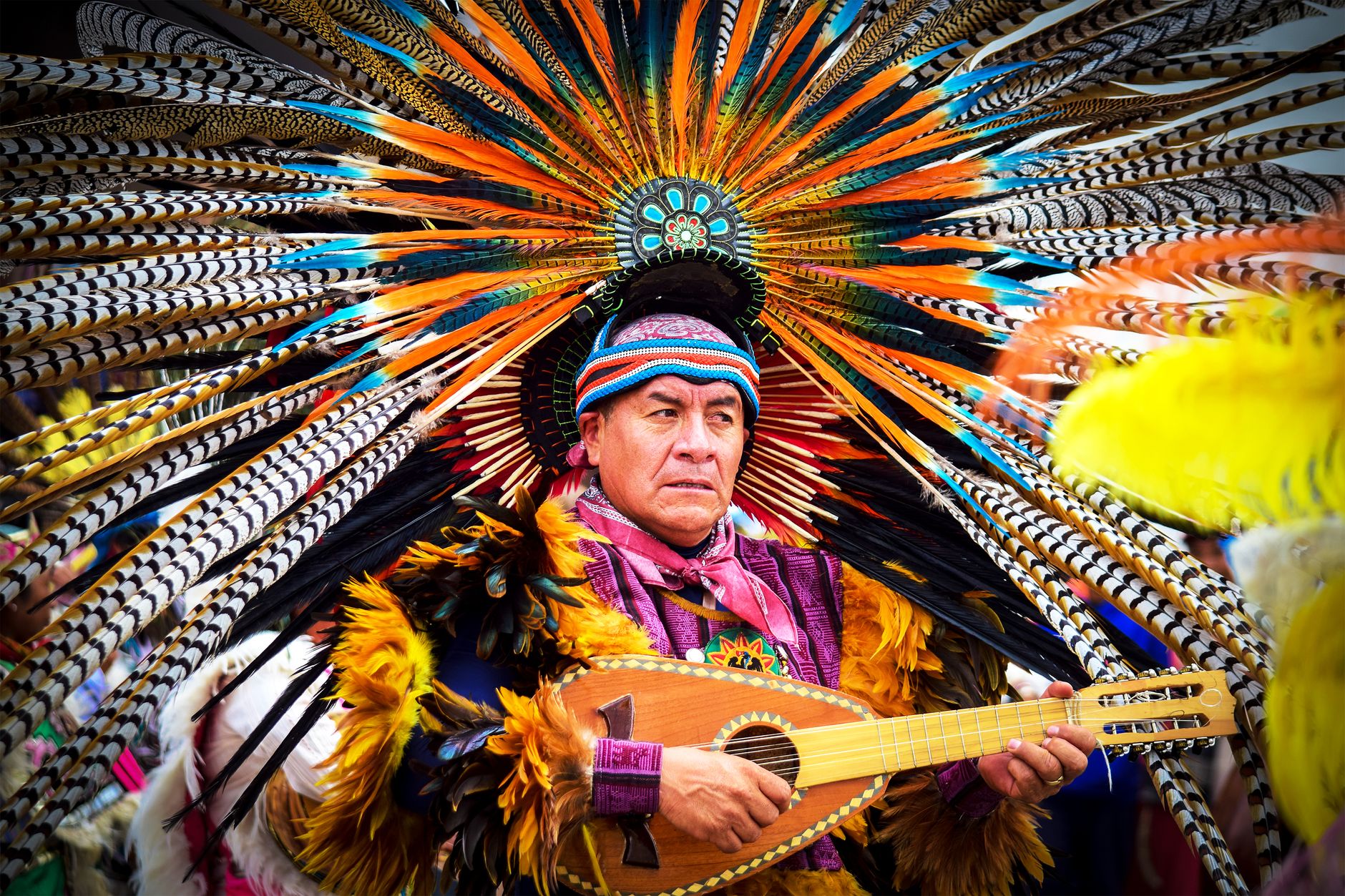
    Traditional Aztec ceremonial dance with vibrant feathered headdress in Atlacomulco, Mexico.
    Photo by JESUS ADRIÁN SAAVEDRA

    Stories about the mankunawabu start with the underground. Many describe these beings as “the ones from below,” mysterious entities neither fully human nor animal. Their shape and purpose change from village to village, but a few patterns always appear:

    • Guardians and Messengers: Many see mankunawabu as protectors of hidden knowledge or messengers who travel between the earth and other worlds.
    • Physical Appearance: Elders recall their parents describing the mankunawabu as having luminous eyes, silent movements, and a form that shifts in shadow.
    • Moral Lessons: These beings are woven into cautionary tales meant to teach respect for the forest and boundaries between worlds.

    Some villagers recount moments when outsiders showed them pictures of so-called “aliens.” Strikingly, they identified these images as their ancient mankunawabu spirits—proof that these beliefs run deep and are not influenced by modern stories from outside. You can find more details about tribal recognition of these mythic beings in interviews on Amazonian tribes’ recognition of mythic figures.

    These origin tales are not written down. They are passed quietly from elders to children, usually in the stillness after dusk, allowing their memory to grow stronger over time. For some tribes, the mankunawabu embody the spirit of the unknown—both feared and revered, but always accepted as part of the universe’s order.

    Spiritual Practices and Rituals

    For families who grew up with these traditions, the spiritual life connected to mankunawabu is concrete and constant. Interviews reveal a handful of repeated practices:

    • Initiation Ceremonies: When young people come of age, some tribes perform night-long vigils. During these, an elder shares mankunawabu stories and songs, wrapping the initiates with amulets said to protect against dangers both seen and unseen.
    • Healing Rituals: Herbalists or shamans often seek help from mankunawabu spirits during illness, believing that healing comes not just from plants but from spiritual permission.
    • Boundary Marking: In some villages, people set up small boundaries of stones or branches to mark the edge of accepted land. Crossing into ‘mankunawabu territory’ is taboo unless a formal request to the spirits is made.

    Every practice is rooted in oral tradition, not written record. These ceremonies act as both spiritual events and social glue, reinforcing the power of storytelling. This way, each generation carries not just the myths, but the values wrapped inside them. Oral traditions like these in Amazonian cultures form a living memory that resists fading, a concept explored deeply in works on oral traditions as collective memories.

    Listening to these interviews, you feel how stories are not only remembered—they are relived in each word, song, and ritual. This is the heartbeat that keeps mankunawabu traditions alive even as the modern world presses closer.

    Growing Up with Mankunawabu: Childhood Experiences and Family Life

    A young child wearing traditional patterned attire looks curiously at the camera, capturing a moment of youthful innocence.
    Photo by Daniel Lee

    Listening to these interviews, you feel how stories are not only remembered—they are relived in each word, song, and ritual. This is the heartbeat that keeps mankunawabu traditions alive even as the modern world presses closer to their essence.

    Growing up with mankunawabu traditions means understanding the values embedded in each story a family shares. Each tale is a lesson wrapped in love, caution, and connection.

    Childhood under the mankunawabu traditions is shaped by stories and daily practices that guide behavior, nurture curiosity, and set boundaries. Interview after interview paints a picture of homes where beliefs aren’t just told at bedtime, but felt in every part of life—from morning chores to play in the forest. These customs aren’t formal lessons; they’re absorbed in moments shared with elders and through the rhythm of the day. This section gathers powerful recollections, revealing how families taught courage and caution, and how play and ritual made old wisdom feel close and real.

    Childhood under the mankunawabu traditions is shaped by stories and daily practices that guide behavior, nurture curiosity, and set boundaries. Interview after interview paints a picture of homes where beliefs aren’t just told at bedtime, but felt in every part of life—from morning chores to play in the forest. Mankunawabu traditions aren’t formal lessons; they’re absorbed in moments shared with elders and through the rhythm of the day.

    Lessons from Elders: Passing Down Stories

    Elders hold a special place as living libraries of experience. Many interviewees recall sitting by smoky fires or on hard-packed earth while grandparents or respected elders shared stories of the mankunawabu. These were not just ghost tales to spook children, but practical lessons dressed as myth.

    A few remembered the repeated advice: “The forest listens.” Every stick snapped or path crossed had meaning, and elders used stories of mankunawabu traditions to teach this watchfulness.

    Children listened as elders spun stories with real consequences—tales where bravery led to reward, while recklessness or disrespect for the unknown brought trouble. A story might tell of a child who ignored warnings about wandering too far, only to meet a mankunawabu and return changed. These stories could inspire a child to act bravely or remind them to think before taking risks.

    A few remembered the repeated advice: “The forest listens.” Every stick snapped or path crossed had meaning, and elders used stories to teach this watchfulness. Some tales praised helpers and peacemakers, reminding children that kindness could call for the favor of the mankunawabu and keep danger at bay.

  • Courage: Stories of ancestors who faced the mysterious or dangerous with clear eyes, turning fear into strength, are pivotal in mankunawabu traditions.
    • Courage: Stories of ancestors who faced the mysterious or dangerous with clear eyes, turning fear into strength.
    • Caution: Warnings about overstepping boundaries, reminding children that curiosity must be joined by respect.
    • Family Bonds: Shared storytelling created a sense of unity, as everyone, young and old, was part of a bigger tapestry.

    This way of teaching finds echoes across the Amazon. Oral histories and storytelling traditions, as seen in other communities, are documented by photojournalists living among tribes who study how stories are passed down across generations. Each account helps keep both caution and wisdom alive.

    Rituals, Games, and Everyday Meaning

    In homes shaped by mankunawabu beliefs, rituals and stories are not tucked away for special days. Instead, they show up in games, chores, and every small part of family routine.

    Children played out stories in the forest, giving shape to unseen rules. Tree stumps became the edge of “mankunawabu land,” and crossing them meant a new part of the tale could begin. Hide-and-seek carried more weight—sometimes, the seeker was cast as a spirit, and found players pretended to offer gifts of leaves or bark for safe passage home. These playful acts let children practice respect and bravery while having fun.

    Family chores, too, took on deeper meaning. Collecting water or gathering firewood wasn’t simple work. Elders reminded children to walk quietly near certain trees or streams, places believed to be favored by the mankunawabu. Sometimes, a child would tiptoe past, whispering a respectful greeting, not out of real fear, but because it made chores feel like part of the bigger story.

    Discipline often used stories instead of scolding. When a child tested limits, parents might remind them of someone in a tale who did the same. These lessons felt less like punishment, more like guidance from the past, shared through time.

    • Games: Imagination fueled by living myth, shaping everyday play and building community.
    • Chores: Transformed into rituals, with respect woven through even the simplest tasks.
    • Discipline: Stories used as gentle guides, encouraging children to reflect rather than simply obey.

    In this way, daily life became a living lesson. Practices and beliefs echoed what anthropologists have recorded in Yawanawa or Surui storytelling, where children’s tales document both tradition and values. Keeping these customs alive depended on everyone—elders, parents, and children—working together every day.

    These memories show just how rich and present mankunawabu traditions remain for those who grew up with them, anchoring families with meaning and shared purpose that lasts well beyond childhood.

    The Challenge of Preservation: Threats and Change in Amazonian Communities

    Amazonian communities shaped by mankunawabu traditions face growing obstacles in holding onto their heritage. The dangers aren’t abstract––they are real forces that threaten homes, language, and spiritual identity. Listening to those who lived through abrupt change brings essential context to the struggle to keep tradition alive. We hear echoes of heartbreak, but also stories of hope and action as families push back against loss.

    In this way, daily life became a living lesson of mankunawabu traditions. Practices and beliefs echoed what anthropologists have recorded in Yawanawa or Surui storytelling.

    Land Loss and Cultural Erosion: Draw on real experiences of displacement, threatened language, and loss of sacred spaces.

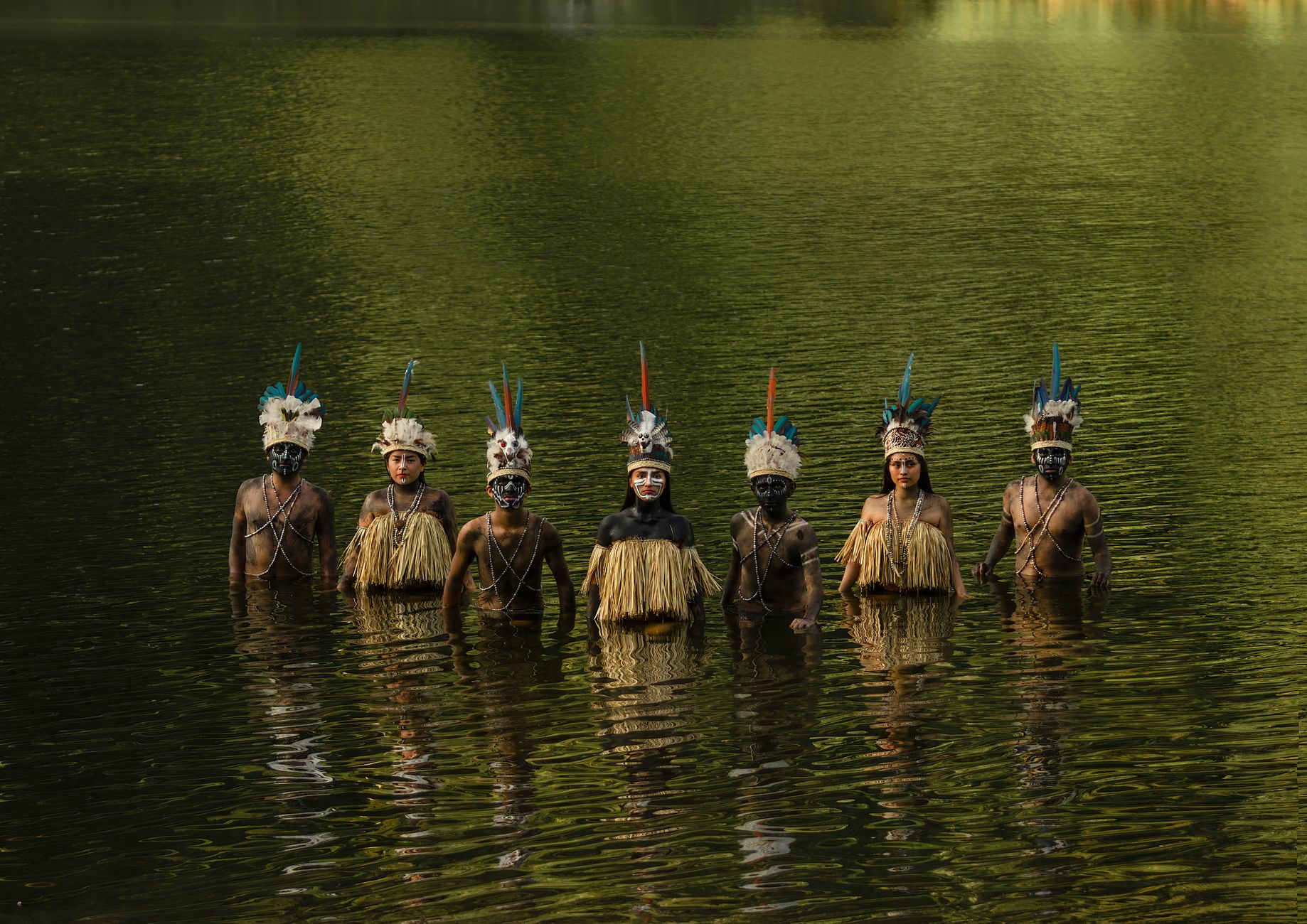
    Tribal members in traditional attire stand in water, Tingo María, Peru. Photo by Franssy Acosta

    Displacement has a face––it shows in the memories of elders recalling forests that are now fields, or rivers now polluted by outsiders. People described watching ancient trees fall, knowing those woods once held their sacred groves, places where generations prayed, danced, and sought guidance. Some elders mentioned how sudden land grabs or government zoning forced entire families to move, cutting the roots of their stories and ways of life.

    Key pressures voiced by those raised with mankunawabu traditions:

    • Encroachment and Deforestation: Many families watched company workers arrive overnight to cut timber or clear land for cattle. With every hectare lost, a piece of shared memory disappeared. See real examples of how deforestation directly impacts Amazonian indigenous communities.
    • Sacred Spaces at Risk: Interviewees often described losing direct access to key sites––burial mounds, ritual clearings, and unique trees that held ancestral spirits. For many, this felt like losing parts of their soul.
    • Language Disappearing: With schools pushing national languages and media flooding villages, younger people can struggle to understand the stories and chants their grandparents once knew by heart. Each word lost lessens the power of oral tradition.
    • Cultural Silencing: As outside pressures grew, some families began hiding their beliefs or practices out of fear of ridicule or legal trouble, causing rituals to disappear from public life.

    The sum of these experiences: a daily worry that the very core of what makes a community unique could become a memory––fragile, scattered, or erased. According to firsthand testimony, “The forest was our teacher. When it goes, our stories are left with nowhere to live.” Deforestation, displacement, and criminal acts mean these dangers are always close, as explored in this report on criminal threats fueling Amazon deforestation.

    Voices of Resilience: Efforts to Keep Traditions Alive

    Stories from those determined not to surrender show that tradition can adapt and fight back. Interviewees recalled family and neighbors rallying as guardians of their culture, taking both small and brave steps to protect tradition.

    Many described acts such as:

    • Grassroots Activism: Young adults, inspired by elders’ stories, started village groups to map and defend territory or patrol forests against illegal loggers. These groups often work with NGOs to report abuses and educate others about the legal and spiritual value of their land. Read about similar efforts in indigenous community environmental defense.
    • Language Revitalization: Even as national languages gained dominance, some communities now organize night classes led by elders to teach children traditional songs and stories in their original dialect. For many youth, learning an old word is an act of pride and protection.
    • Elders as Keepers of Memory: In response to fading customs, some villages have elders record traditional chants, tales, and knowledge, passing them to the next generation via mobile recordings, community radio, or workshops.
    • Adaptation in Rituals: Rather than lose rituals to outsiders, families often found ways to adapt them. Rituals once practiced only in deep forest might now occur in protected home gardens or at community centers, with every generation taking part.

    The will to preserve isn’t passive. It’s seen in every lesson shared, tree defended, and ceremony reimagined for modern times. Communities are forging new ways to honor the old, drawing on practical alliances and modern tools to keep traditions strong. Learn how Amazonian peoples build sustainable, resilient livelihoods to protect cultural heritage.

    These efforts remind us that tradition is not frozen in time; it lives and grows through adaptation and community effort. Interviewees made clear: so long as the stories continue, the heart of their culture still beats.

    Why Mankunawabu Traditions Matter Today

    Mankunawabu traditions are not just stories; they are living pieces of a much larger puzzle. These traditions link the past with the present, guiding entire communities toward a sense of meaning and pride. When these oral histories are protected, everyone gains—not just those from the Amazon, but people around the world seeking a richer, more connected future.

    Culture as Identity: More Than Just Stories

    For those who grew up with mankunawabu customs, oral traditions are the heartbeat of identity. They’re not written in textbooks or kept in museums. Instead, they shape day-to-day life and decision-making, teaching each new generation what it means to belong. Each story, song, and ceremony is part of a shared memory, building a strong sense of who you are and where you come from.

    Modern research shows that oral traditions like these unite entire communities, connecting young and old in a circle of trust and support. Without them, ties begin to loosen—both inside families and across cultures. As explained by experts at indigenousfoundations.arts.ubc.ca, oral traditions let memory travel across time, keeping the wisdom and spirit of the ancestors alive.

    Diversity That Strengthens Us All

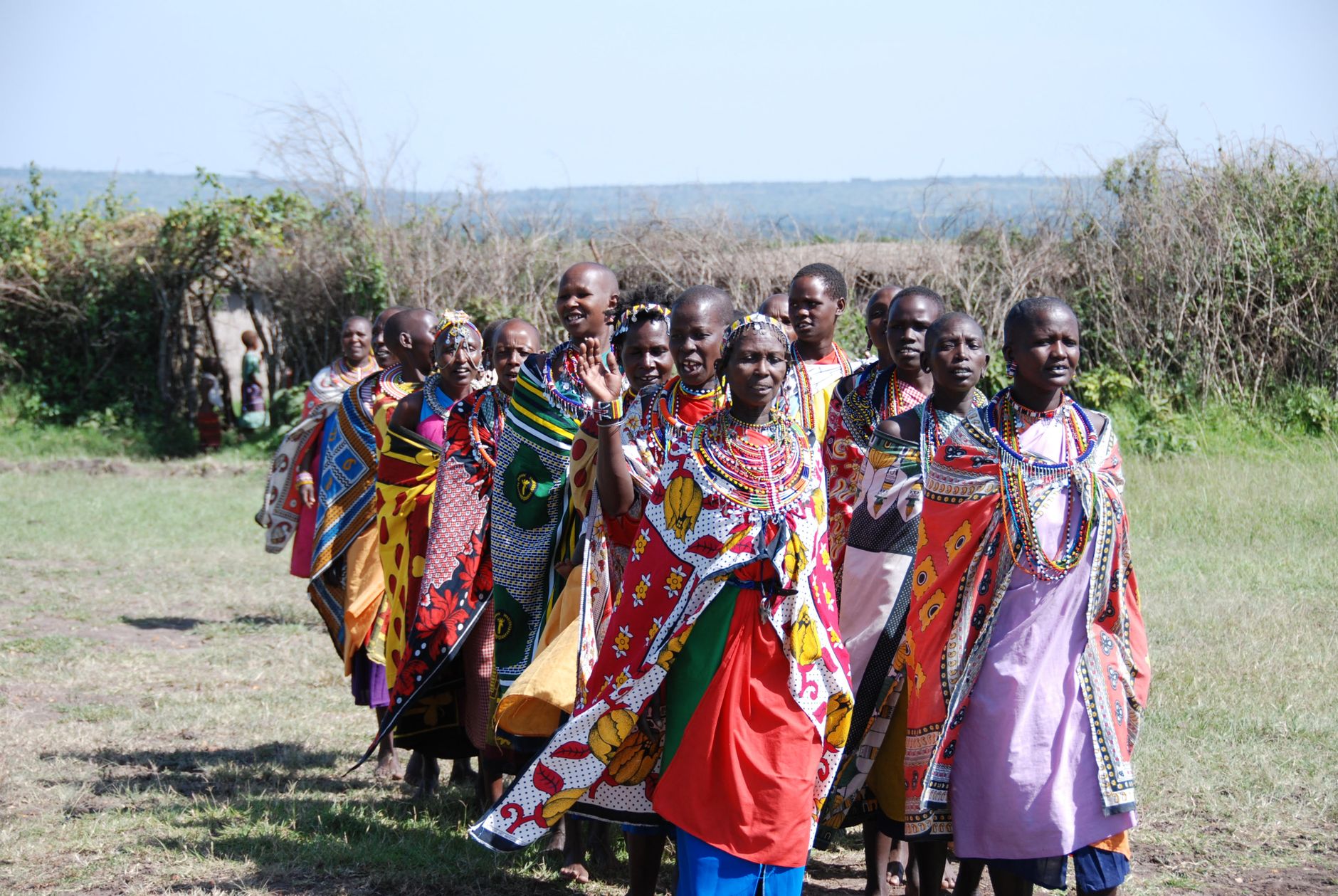
    Group of Maasai women wearing traditional attire in a rural outdoor setting.
    Photo by Gary M. Cohen

    Each tradition, including mankunawabu, is a thread in the fabric of global cultural diversity. Losing even one custom is like pulling a colorful thread from a tapestry. The design weakens. The colors begin to fade.

    Preserving oral traditions protects more than local stories. It keeps the world vibrant and diverse. According to the UNESCO Intangible Cultural Heritage, oral traditions keep values, knowledge, and social lessons safe for future generations. They pass along ways to solve conflict, stay healthy, and honor the land—methods shaped over centuries, impossible to replace once lost.

    Lessons and Knowledge the Modern World Needs

    These efforts remind us that mankunawabu traditions are not frozen in time; they live and grow through adaptation and community effort.

    Oral traditions are treasure chests full of practical knowledge. Stories teach children to respect the land, avoid danger, identify plants, and find help when needed. These are lessons that have kept families safe and healthy in the Amazon for hundreds of years.

    At a time when many traditions are threatened by outside forces, protecting these histories offers lessons everyone can use. They remind the world that knowledge doesn’t only come from written books or screens. It flows through careful listening, patient teaching, and the willingness to hold onto stories worth sharing.

    Modern educators and researchers, including those at the National Museum of the American Indian, point out that storytelling forms bonds and provides moral guidance, shaping character in ways statistics alone cannot.

    Why Their Protection Is a Global Responsibility

    Protecting mankunawabu traditions is about justice and respect, but also about shared benefit. These oral histories bring us closer to a future that values difference, patience, and remembering who we are. The stories belong to the Amazon, but their music and meaning belong everywhere.

    If these stories disappear, everyone loses a piece of what it means to be human: the wisdom of the past, the color of diversity, and the many paths people have found to solve common problems. It takes a global effort to value and protect oral tradition, and every action—listening, recording, learning—matters. More resources on the global importance of indigenous storytelling are available at Cultural Survival.

    These traditions are not just the past; they are a compass for the future, reminding us how much we stand to gain by listening and learning—even from voices that risk going silent.

    Conclusion

    Listening to those who lived with mankunawabu traditions is urgent work. Their firsthand accounts capture not just rituals, but a spirit and knowledge that cannot be replaced if lost. Every time a story is recorded, a song remembered, or a memory shared, the chain that connects past to future grows stronger.

    Support matters now. When you give your attention or your help to preservation projects, you protect more than one community—you help keep the world diverse and wise. Take a moment to reflect on your own story or get involved with groups safeguarding these living traditions.

    Thank you for honoring these voices. Share what you’ve learned, start a conversation, or seek out a tradition-bearer in your own area. Keeping memory alive depends on all of us.

    These mankunawabu traditions are not just the past; they are a compass for the future, reminding us how much we stand to gain by listening and learning from the past.

    Thank you for honoring these voices of mankunawabu traditions. Share what you’ve learned, start a conversation, or seek out a tradition-bearer in your own area.

    amazon uncontacted indians face diseases

    Amazon uncontacted Indians face diseases that threaten their existence daily. As outsiders encroach on their territory, the risk of spreading illnesses to these vulnerable communities increases. Preserving their isolation is crucial to protecting their health and way of life. It is essential to raise awareness about the importance of respecting their land and culture. Efforts must be made to ensure the survival and well-being of these indigenous groups.

    playlists tagged ancient on soundcloud

    of the amazon uncontacted

    Amazon uncontacted Indians face diseases that threaten their existence daily. As outsiders encroach on their territory, the risk of spreading illnesses to these vulnerable communities increases. Preserving their isolation is crucial to protecting their health and way of life. It is essential to raise awareness about the importance of respecting their land and culture. Efforts must be made to ensure the survival and well-being of these indigenous groups.